

- This event has passed.
Vancouver Island Chapter – ASHRAE Learning Institute (ALI) Training
April 23 @ 8:45 am - 4:30 pm
Chapter 145 – Vancouver Island has invited us to their ASHRAE Learning Institute (ALI) Training.
Check out the event poster: VI ASHRAE ALI Training Poster
Sign up here: ASHRAE Learning Institute (ALI) Training — Vancouver Island Chapter 145
Check out sponsorship options for this event at the link above.
Schedule
| Session | Time |
|---|---|
| Morning training: Design of Affordable and Efficient Ground-Source Heat Pump Systems — Stephen Hamstra, P.E., AEE Fellow | 8:45 am – 11:45 am |
| Lunch | 11:45 am – 1:30 pm |
| Afternoon training: “Updated” Next-Generation Low-Carbon Buildings: Strategies for Design, Decarbonization, and Electrification — Doug Cochrane, P.Eng., CDP, Member ASHRAE, LEED® AP | 1:30 pm – 4:30 pm |

ALI Instructor
This course describes the best design practices of ground source heat pump systems to achieve maximum customer benefit. The course examines the economic analysis of ground source vs. more traditional systems and what is necessary to design an effective and efficient ground source system. The course covers energy analysis, equipment selection, drilling technologies, testing requirements, hydronic system design and system controls. Participants will learn all that is necessary for the design and installation of a successful ground source heat pump system.
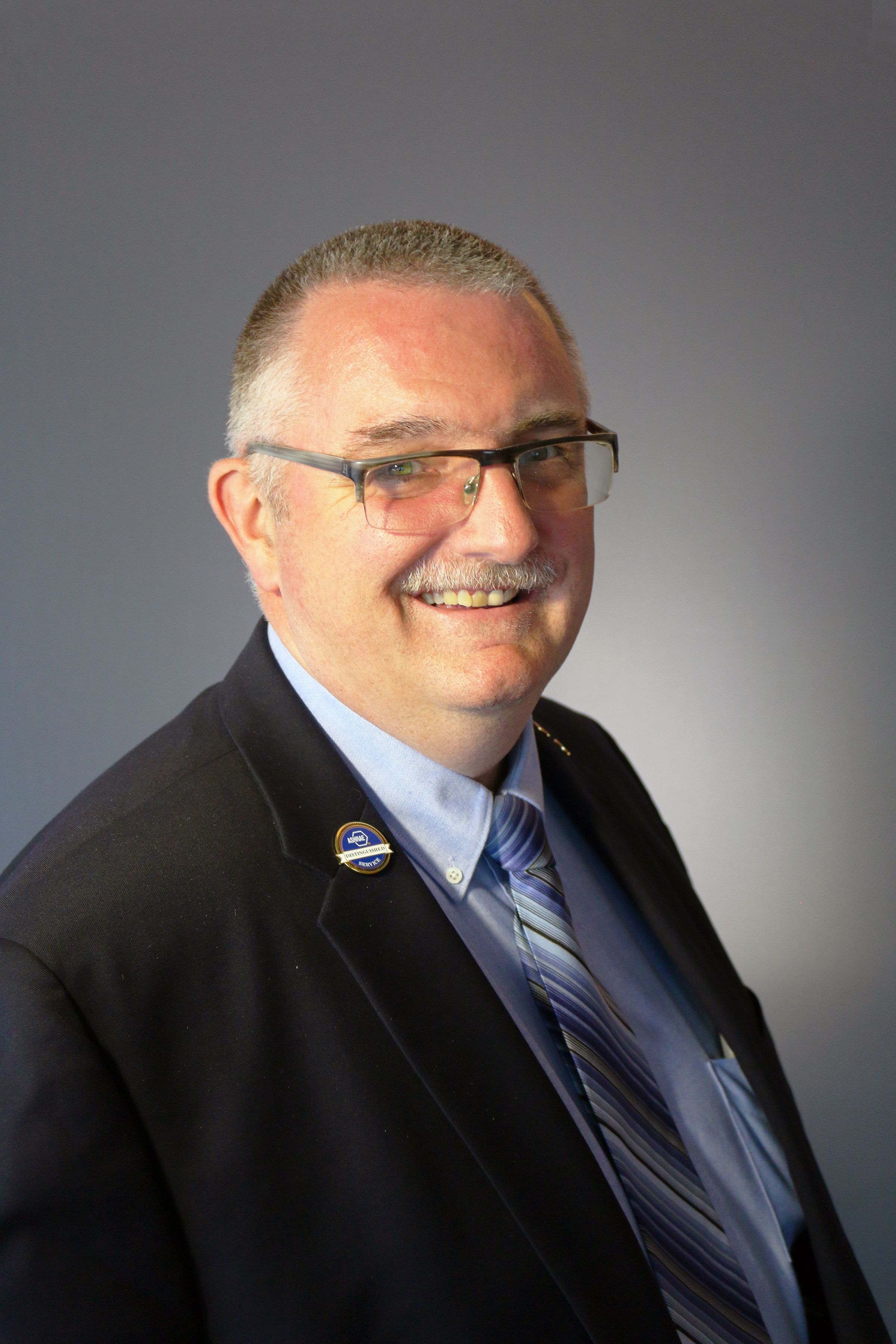
ALI Instructor
This advanced course is for professional engineers and architects who want to expand their practice to include the design, construction, and operation of zero energy (net zero) buildings. The course will begin with a definition of such a building. The first principle of zero energy design is to make the building as energy efficient as possible. On-site renewable energy systems will then be added to achieve these efficiency goals. If adequate on-site zero energy is not feasible, then options for off-site renewable energy should be explored. The test for zero energy is at the energy meter, so proper commissioning and operator training are critical to success. The zero energy principles outlined above will be presented with case studies and examples showing how other design professionals have met the zero energy goal.